
When you need precision metal parts, the manufacturing method you choose has a direct impact on cost, lead time, and performance. CNC machining is often seen as the go-to solution for accuracy, but in many cases, a stamped part with targeted secondary machining can achieve the same results at a lower cost.
The key is knowing when each approach makes sense.
Understanding the Difference
CNC Machining uses computer-controlled cutting tools to shape a part from a solid block of material. It delivers high precision and is ideal for complex geometries or low-volume production runs.
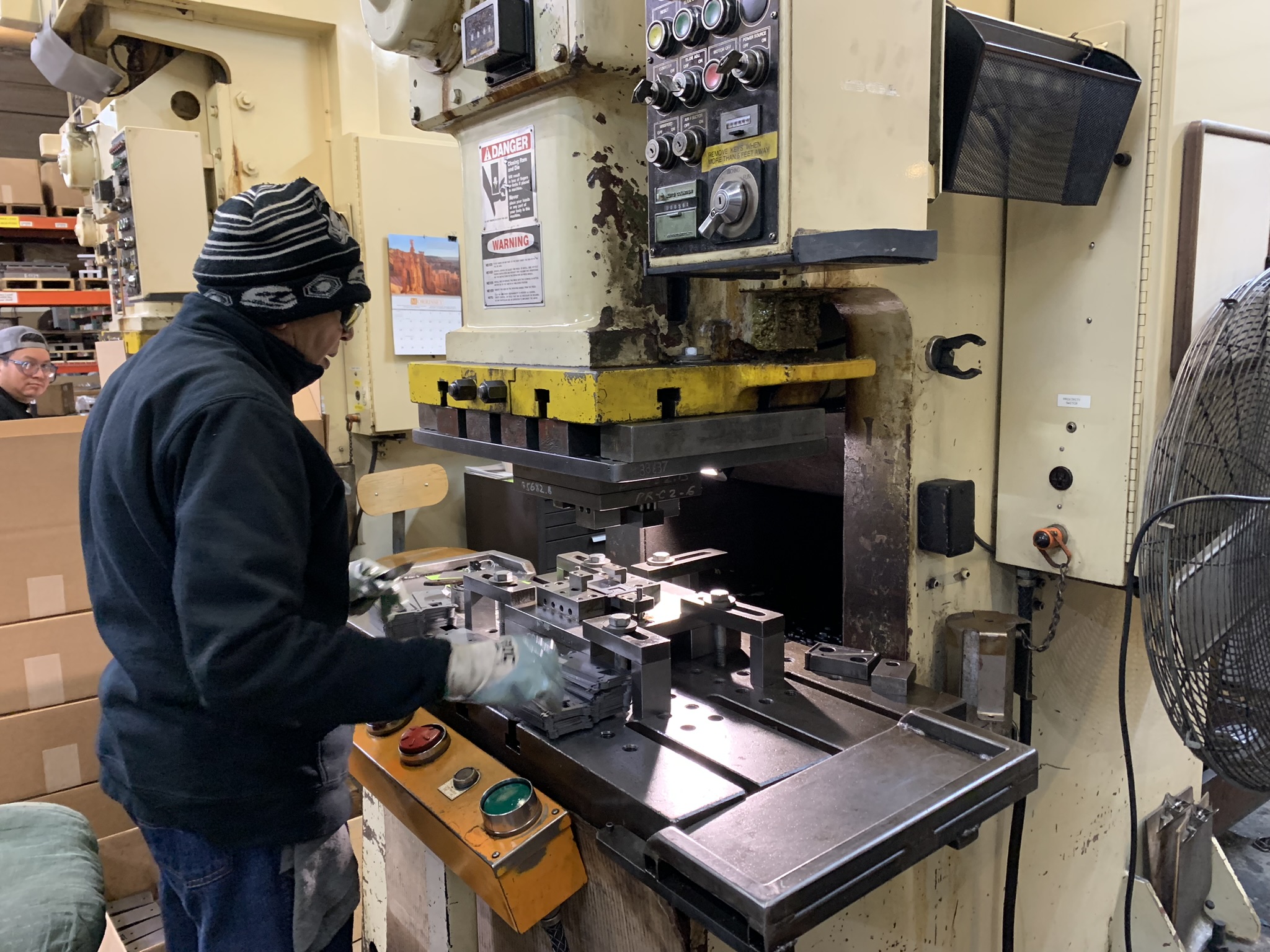
Metal Stamping with Secondary Machining starts with a stamped blank formed using high-speed tooling. Then, specific features—such as holes, threads, or tight-tolerance surfaces—are added using machining, drilling, or tapping operations. This hybrid approach combines efficiency with precision.
When Metal Stamping with Secondary Machining Is the Better Choice
If your part can be produced with repeatable features and standard tolerances, stamping can dramatically reduce cost and lead time. The initial tooling investment pays off quickly in medium- to high-volume runs, and secondary machining ensures the finished part meets your exact specs.
Typical advantages include:
- 10%–30% cost savings compared to fully machined parts
- Faster cycle times and higher throughput
- Reduced material waste
- Consistent quality from part to part
This combination is especially effective for components like brackets, housings, connectors, or covers where precision is needed in only a few key areas.
When Fully CNC Machining Makes Sense
Fully machined parts are still the best fit for highly complex geometries, deep cavities, or when you need maximum flexibility for short runs and frequent design changes. If tight tolerances apply to the entire part or the geometry cannot be formed with stamping dies, CNC machining remains the preferred choice.
Finding the Right Balance
Many projects benefit from a mix of both processes. An experienced stamper with in-house machining capabilities can evaluate your part and determine whether it can be stamped first, then machined where necessary, without compromising performance or reliability.
Choosing between metal stamping with secondary machining and full CNC machining is not always a simple decision. The right approach depends on your part geometry, tolerances, material, and production volume.
At Morrissey, we help manufacturers find the most efficient path to precision—balancing performance, quality, and cost. If you are wondering whether your next project could benefit from a stamped-and-machined approach, contact our team for a review.